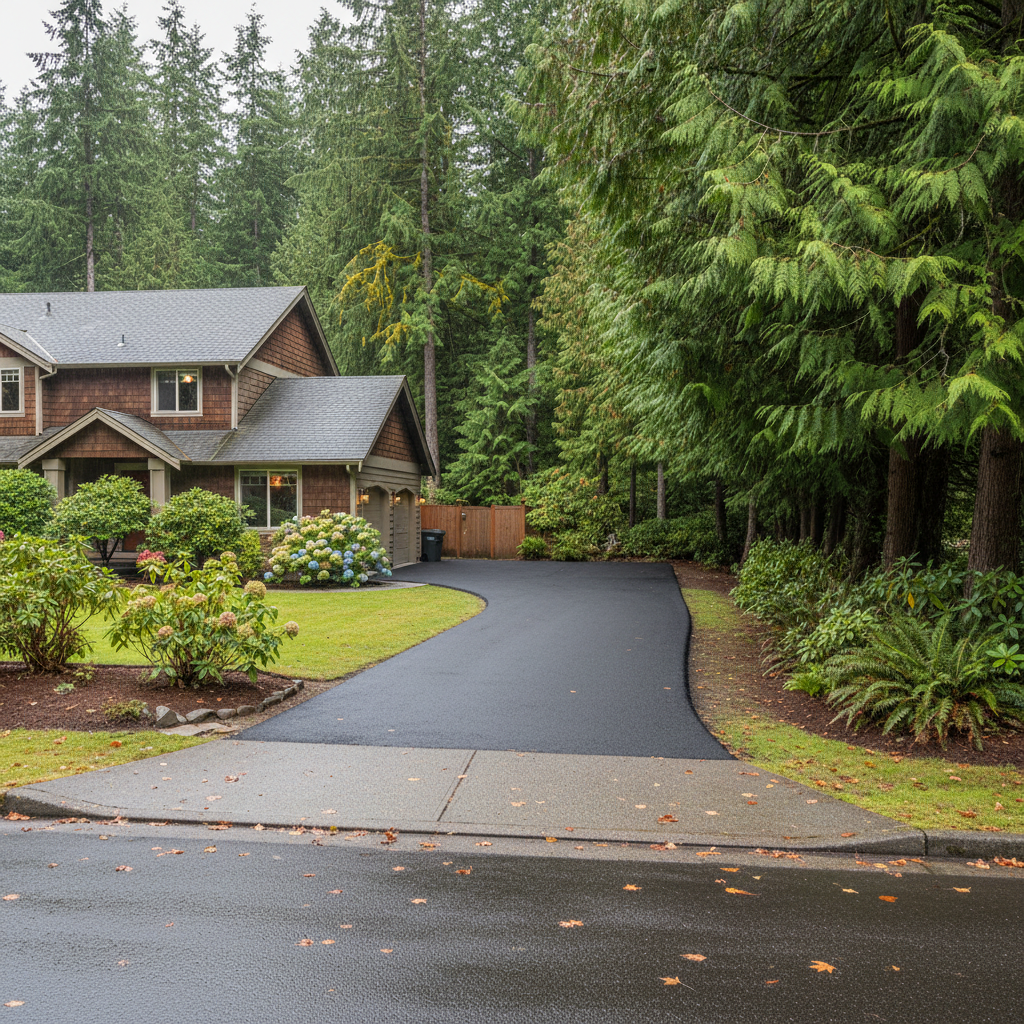
You're thinking about getting that driveway paved or maybe you're just trying to make your existing one last. Good call. Around Lakewood, especially with our unique Pacific Northwest weather, timing and ongoing care are everything for asphalt. It's not just about slapping down some hot mix; it's about doing it right so it stands up to our wet winters and those surprisingly hot summers we've been getting.
When's the Best Time to Pave in Lakewood?
This is probably the most common question I get. And the short answer? Spring through early fall is generally your best bet. Why? Asphalt needs specific conditions to cure properly. It's not just about being dry; it's about temperature too.
- Temperature Matters: We're looking for consistent temperatures, typically above 50 degrees Fahrenheit, and ideally, not much higher than 85-90 degrees. If it's too cold, the asphalt cools too fast, making it hard to compact properly. You end up with a weaker, less durable surface. Too hot, and it can be difficult to work with, leading to issues with compaction and a less uniform finish.
- Moisture is the Enemy: This is huge in our neck of the woods. You absolutely cannot pave over wet ground. The sub-base needs to be dry and stable. If there's moisture trapped underneath, you're just asking for trouble down the road – cracks, potholes, and premature failure. That's why those dry stretches in late spring and summer are prime time. We need a few days of dry weather before we even think about laying asphalt, and then a few more after for it to cure.
- Scheduling Ahead: Because of these tight windows, especially for quality work, you really need to plan. Don't wait until August to call if you want it done that summer. Good contractors, like us at Apex Asphalt Solutions, get booked up fast during these ideal months.
What Our Lakewood Weather Means for Asphalt Work
Lakewood's climate is a blessing and a curse for asphalt. We don't get the extreme freezes of the Midwest, but we get a lot of rain and a freeze-thaw cycle that can be brutal if your asphalt isn't properly installed and maintained. Think about those homes near American Lake, where the water table can be a little higher, or areas with more clay in the soil – proper drainage and sub-base prep are non-negotiable. Our extended wet seasons mean that any small crack can let water in, and when that water freezes, it expands, turning a minor issue into a major headache.
Protecting Your Investment Year-Round
Getting your driveway paved correctly is just the first step. To make it last, you've got to protect it. Here's how I tell my customers to keep their asphalt looking good and performing well:
- Sealcoating: This is like sunscreen for your driveway. It protects against UV rays, water penetration, and even helps resist oil and gas spills. I recommend sealcoating every 2-3 years, depending on traffic and how much sun your driveway gets. It's a small investment that pays off big time in extended life.
- Crack Filling: Don't ignore those small cracks! They're not just cosmetic; they're entry points for water. Get them filled promptly. It stops water from getting under the asphalt and eroding the sub-base, which is what leads to potholes. This is especially critical before our rainy season really kicks in.
- Drainage Check: Take a look at your driveway's drainage. Is water pooling anywhere? If so, you've got a problem. Standing water softens asphalt and can lead to premature failure. Make sure gutters are clear and downspouts are directing water away from your driveway. Sometimes a simple French drain or a slight regrading can make a huge difference.
- Avoid Heavy Loads & Sharp Turns: Try not to park heavy RVs or equipment on your asphalt for extended periods. And avoid turning your steering wheel sharply while your vehicle is stationary on the asphalt; this can scuff and damage the surface, especially when it's hot.
- Clean Up Spills: Oil, gas, and other automotive fluids can break down asphalt over time. Clean them up quickly with an absorbent material.
Look, your driveway is a big part of your home's curb appeal and functionality. Taking a proactive approach, understanding our local weather, and doing a little preventative maintenance will save you a lot of money and hassle in the long run. If you've got questions about your specific situation or need advice, don't hesitate to reach out. That's what we're here for at Apex Asphalt Solutions.