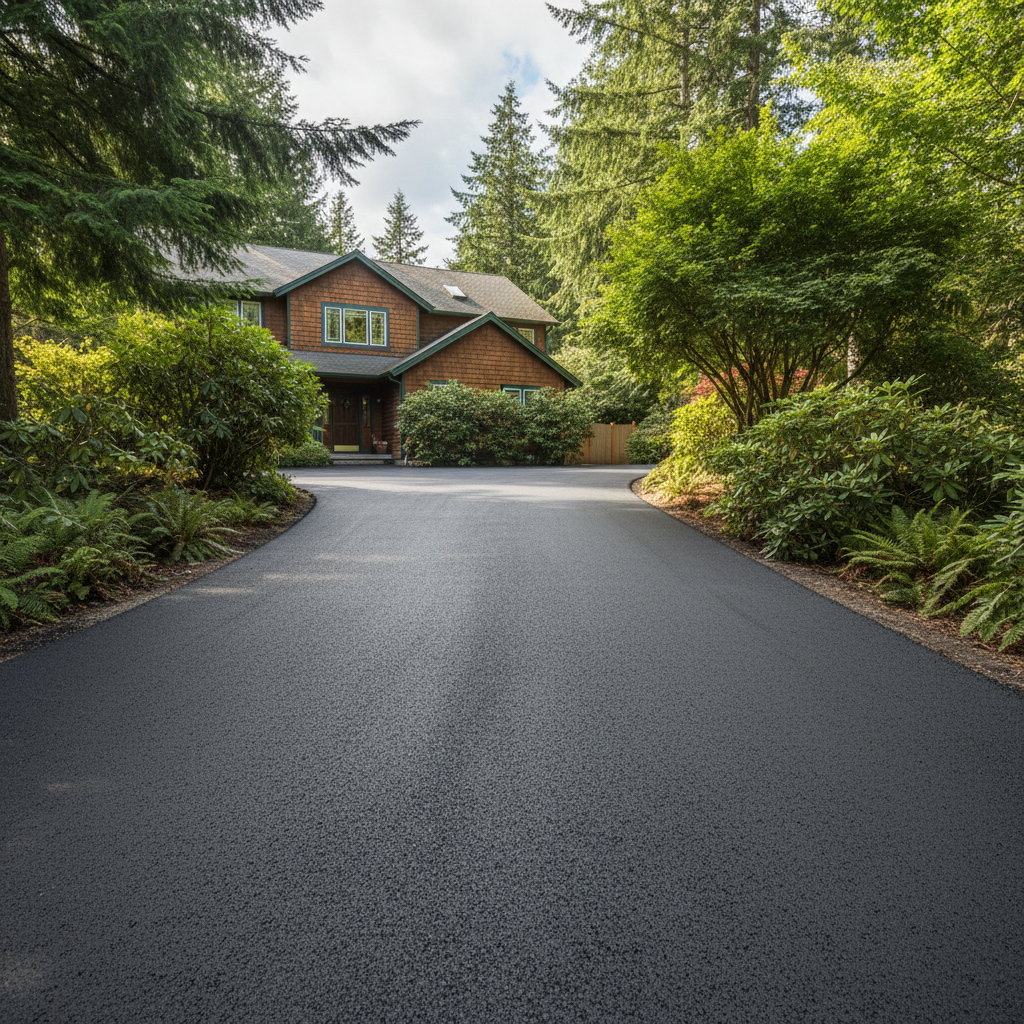
Your driveway takes a beating, plain and simple. Between the constant traffic, the weight of vehicles, and our lovely Lakewood weather, it's easy for asphalt to start showing its age. But here's the thing: with a little bit of regular care, you can add years, even decades, to its life. I've seen it firsthand on countless properties, from the older homes near American Lake to the newer developments up around Steilacoom Blvd.
Extending Your Driveway's Lifespan
The biggest thing you can do to make your driveway last is to be proactive. Think of it like changing the oil in your car; you wouldn't wait for the engine to seize up, right? Same goes for your pavement.
- Sealcoating is Your Best Friend: This isn't just about making your driveway look shiny and new. Sealcoat acts like a sunscreen and a raincoat for your asphalt. It protects against UV rays that dry out the binder, and it keeps water from seeping into the sub-base, which is a huge problem here in the PNW. I recommend sealcoating every 2-3 years, depending on traffic and how much sun exposure your driveway gets. It's a small investment that pays off big time.
- Mind Your Edges: The edges of your driveway are often the weakest points. They're more prone to crumbling because they don't have the support of surrounding pavement. Keep soil, grass, or gravel piled up against the edges to give them some lateral support. This stops them from breaking off and creating bigger issues.
- Watch the Weight: Heavy vehicles, like RVs, delivery trucks, or construction equipment, can really stress your asphalt. If you have to park something heavy, try to spread the load out or avoid parking in the exact same spot every time.
Regular Maintenance You Can Do
You don't need to be a paving expert to keep an eye on things. A few simple habits will make a huge difference.
- Keep it Clean: Sweep off dirt, leaves, and debris regularly. Organic matter can hold moisture against the asphalt, and dirt can become abrasive. Plus, keeping it clean helps you spot problems early.
- Deal with Spills Immediately: Oil, gas, and other automotive fluids are asphalt's worst enemy. They break down the binder, softening the pavement and leading to potholes. If you spill something, clean it up right away with an absorbent material and then wash the area with a mild detergent. Don't let it sit.
- Prevent Water Pooling: Our rainy season means water is always a factor. If you see water consistently pooling in certain spots on your driveway, that's a red flag. It means the drainage isn't working right or you've got a depression forming. Standing water will accelerate deterioration, especially when it freezes and thaws.
Warning Signs You Shouldn't Ignore
Your driveway will tell you when it's in trouble, you just have to know what to look for. Don't let these issues get worse.
- Cracks: Small cracks are normal, especially hairline ones. But if they start to widen, connect, or form alligator patterns (like alligator skin), you've got a problem. Water gets into those cracks, freezes, expands, and then thaws, creating bigger cracks and eventually potholes. Filling cracks quickly is one of the most important maintenance tasks.
- Potholes: These are beyond a warning sign; they're a full-blown emergency. A pothole means the sub-base has been compromised. They'll only get bigger and cause damage to vehicles.
- Fading and Discoloration: If your asphalt looks gray instead of black, it means the binder is oxidizing and drying out. This makes the pavement brittle and more susceptible to cracking. This is a clear sign you're overdue for sealcoating.
- Raveling: This is when the aggregate (the small stones) starts to come loose from the surface. It means the binder is failing, and your driveway is losing its structural integrity.
When to Call a Professional (Like Us!)
Look, there are some things you can DIY, and then there are things best left to the pros. For anything beyond basic cleaning and minor crack filling, give us a call. You should definitely reach out to Apex Asphalt Solutions if you see:
- Widespread Cracking: If your driveway is covered in a network of cracks, it's time for a professional assessment. We can determine if it needs extensive crack sealing, an overlay, or a full replacement.
- Significant Potholes: While you can patch a small pothole yourself, larger or multiple potholes often indicate a deeper issue with the base. We have the equipment and materials to do a proper, lasting repair.
- Drainage Issues: If water is consistently pooling or running off your driveway in ways that cause erosion or damage, you need an expert to evaluate the grading and drainage.
- Major Deterioration: If your driveway is crumbling, raveling badly, or has significant depressions, it's time for a professional opinion. We can offer solutions that will save you money in the long run compared to letting it completely fail.
Taking care of your driveway isn't rocket science, but it does require attention. A little effort now can save you a lot of headache and money down the road. Keep an eye on your pavement, especially after those heavy winter rains, and don't hesitate to reach out if you're unsure about anything.