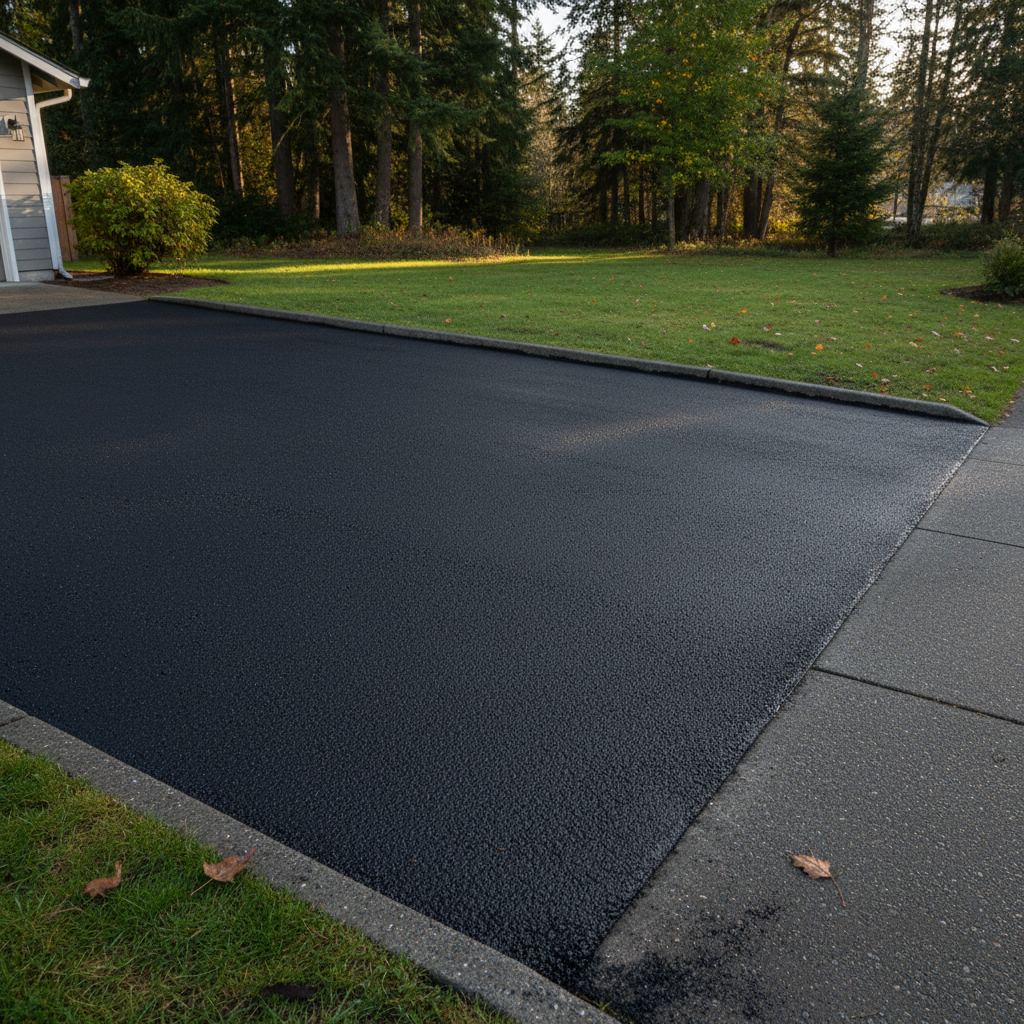
You're looking at your driveway, maybe it's faded, got some small cracks, and you're thinking, 'Time for a sealcoat.' Good idea. Sealcoating protects your investment, makes your asphalt last longer, and keeps it looking sharp. But I've been doing this in Lakewood for a long time, and I've seen homeowners make some real head-scratching mistakes. These errors end up costing them time, money, and a whole lot of frustration. Let's talk about what to avoid.
Mistake #1: Not Prepping the Surface Properly (or at all)
This is probably the biggest one, honestly. People think sealcoating is like painting a wall – just slap it on. Wrong. Your asphalt needs to be clean, dry, and free of debris. I'm talking about sweeping, blowing, power washing, and then letting it dry completely. If you sealcoat over dirt, leaves, oil spots, or even damp asphalt, that sealcoat isn't going to stick. It'll peel, flake, and look terrible in no time. You'll have wasted all that effort and material. If a contractor shows up and doesn't spend a good chunk of time on prep work? That's a huge red flag. They're cutting corners, and you'll pay for it later.
Mistake #2: Ignoring Cracks and Potholes Before Sealing
Sealcoat isn't some miracle cure for structural damage. It's a protective layer, that's it. If you've got cracks wider than a quarter-inch, or any potholes, you need to address those first. Sealcoat will just bridge over them temporarily, and those cracks will reappear, sometimes even worse, because moisture will still get underneath. You need proper crack filling and patching done *before* the sealcoat goes down. A good contractor will tell you this upfront and include it in their estimate. If they just want to spray over everything, find someone else. You're just putting lipstick on a pig, as they say.
Mistake #3: Picking the Wrong Time of Year
Lakewood weather can be tricky, right? We get those long stretches of rain, and then suddenly it's 80 degrees. Sealcoating needs specific conditions. It needs to be warm enough for the material to cure properly – usually above 50 degrees Fahrenheit and rising. And it absolutely cannot rain for at least 24-48 hours after application. Trying to sealcoat in late fall, when the ground is cold and evening temperatures drop fast, is a recipe for disaster. The material won't cure, it'll wash away, or it'll just never achieve its full durability. I've seen people try to squeeze in a job right before a forecasted downpour, and it never ends well. Patience is key here.
Mistake #4: Not Understanding the Product Being Used
There are different types of sealcoat out there. Some are asphalt emulsion-based, some are coal tar-based (though less common now due to environmental concerns), and there are different grades and additives. Some contractors will use a watered-down product to save money, which means it won't last as long or provide as much protection. Ask your contractor what they're using. Ask about the mix design. A reputable company like Apex Asphalt Solutions will be transparent about their materials and why they choose them. You don't need to be an expert, but you should know if they're using a quality product or just the cheapest stuff they can find.
Mistake #5: Going with the Lowest Bid Without Checking References
Everyone wants a good deal, I get it. But when it comes to asphalt work, the lowest bid is often the most expensive in the long run. There are plenty of fly-by-night operations out there, especially when the weather gets nice. They'll knock on your door, offer a ridiculously low price, and disappear after they've done a shoddy job. Always, always, always check references. Look for reviews online. Ask for proof of insurance and licensing. A legitimate contractor will have no problem providing this. If they're pushy, demand cash, or can start