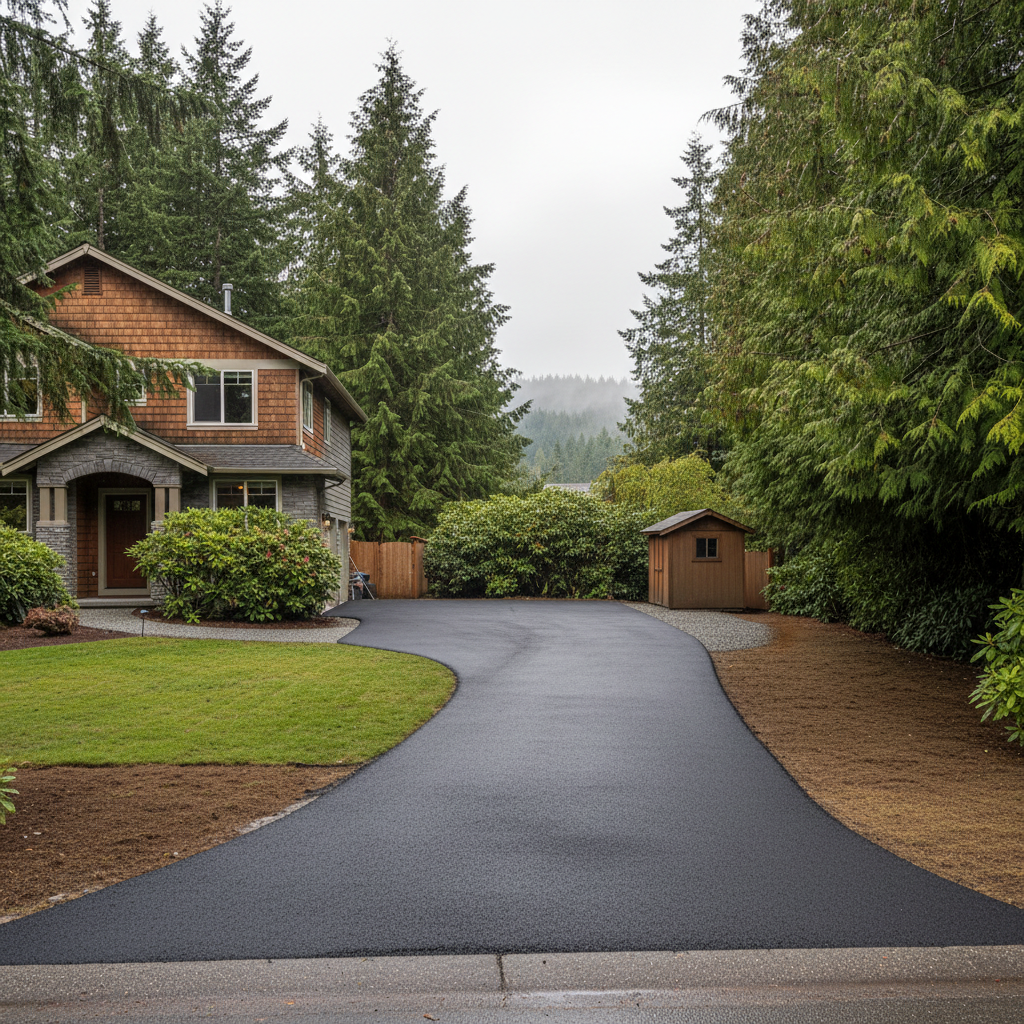
So, you're ready to tackle that driveway project. Maybe it's a brand new one, or perhaps your old asphalt is just tired of patching and you're going for a full replacement. Whatever it is, a new driveway is a big investment, and you want it done right. As someone who's been doing this for years in Lakewood, I can tell you that a little planning goes a long way. Let's walk through what you should expect and how to get ready.
Setting Your Project Timeline
First things first: don't rush it. Asphalt paving isn't a spur-of-the-moment decision. From your first call to the final roll, here's a rough timeline:
- Initial Contact & Estimate (1-2 weeks): You'll call a few contractors (hopefully us at Apex Asphalt Solutions!). We'll come out, take a look, measure things up, and give you a quote. Good contractors are busy, especially during peak season, so don't expect next-day service for an estimate.
- Decision & Scheduling (1-4 weeks): Once you've got your quotes and picked your contractor, you'll sign a contract. Then, you'll get on their schedule. This can vary wildly depending on the time of year. Spring and fall are usually busiest. If you're looking at a summer project, get on the books early.
- Permits (Variable, 2-6 weeks or more): For some larger projects, especially if you're altering drainage or connecting to a city street, you might need permits from the City of Lakewood or Pierce County. Your contractor should help you figure this out, but factor in that waiting time.
- Actual Construction (1-5 days): The actual paving work itself is usually pretty quick. Demolition might take a day, grading another, and then the paving itself. Larger, more complex driveways will take longer, of course.
- Curing Time (2-7 days, minimum): Once the asphalt is down, you can't drive on it right away. It needs time to cure and harden. We'll give you specific instructions, but generally, plan on keeping vehicles off it for at least a few days, sometimes up to a week for heavy trucks.
All in all, from your first thought to driving on your new pavement, you're probably looking at anywhere from 4 to 12 weeks. Be patient, it's worth it.
What to Expect During the Process
When the crew shows up, here's what's going to happen:
- Demolition: If you've got an existing driveway, we'll break it up and haul it away. This gets noisy and dusty.
- Grading and Base Prep: This is the most critical part, and it's mostly underground. We'll make sure the ground is properly sloped for drainage (super important in a rainy place like Lakewood, especially with our clay soils in some areas) and then lay down and compact a strong aggregate base. A good base prevents future cracking and sinking.
- Asphalt Paving: The hot asphalt mix arrives, gets spread by a paving machine, and then compacted by heavy rollers. This is when your driveway really starts to take shape.
- Finishing Touches: Edges are hand-tamped, and the crew cleans up the site.
It's a construction zone, so expect noise, heavy equipment, and a bit of a mess during the work. We always aim to keep disruption to a minimum, but it's part of the process.
How to Prepare Your Property
Before the crew arrives, you'll need to do a few things:
- Clear the Area: Move your cars, boats, RVs, trash cans, planters, anything that's in or near the work zone. Make sure there's clear access for trucks and equipment.
- Protect Landscaping: If you have delicate plants or garden beds right next to the driveway, consider covering them with tarps or moving them if possible. We'll be careful, but heavy machinery can be unforgiving.
- Inform Neighbors: Give your neighbors a heads-up about the upcoming work. There will be noise and possibly some temporary access issues. It's just good neighborly practice.
- Mark Sprinklers/Utilities: If you have underground sprinkler heads, invisible dog fences, or other buried lines near the driveway's edge, mark them clearly. We don't want to hit anything important.
- Plan for Access: For the days we're working and during the curing period, you won't be able to use your driveway. Plan where you'll park your vehicles.
Questions to Ask Before Signing a Contract
Don't just look at the bottom line. Ask these questions:
- What's included in the price? Does it cover demolition, hauling, base material, asphalt, and labor? Are there any hidden fees?
- What's your warranty? A reputable contractor will stand behind their work. Ask about the length and what it covers.
- What's the thickness of the asphalt and the base? Don't settle for less than 2-3 inches of asphalt on a well-compacted base.
- Who pulls the permits? Make sure it's clear who is responsible for obtaining any necessary permits.
- Can I see proof of insurance and licensing? You want a contractor who is properly insured (liability and workers' comp) and licensed. Don't risk it.
- How do you handle drainage? This is crucial in our climate. Ask them to explain their plan for water runoff.
- What's the payment schedule? Typically, there's a deposit, and then the balance is due upon completion. Be wary of contractors who demand full payment upfront.
- Can you provide references? Talk to other homeowners they've worked for.
Taking the time to plan and ask the right questions will save you headaches and ensure you get a durable, beautiful driveway that lasts for years. We're here to help make that happen.